.png)
Pacemakers: A Small Device That Makes a Big Difference | How Pacemakers Work
- alison0881
- May 6
- 4 min read
When people hear the word “pacemaker,” it can sound intimidating or even frightening.
However, modern pacemakers are highly advanced, reliable medical devices that help thousands of patients return to a normal, active life every year.
According to Professor Malcolm Finlay, consultant cardiologist and heart rhythm specialist, most patients who need a pacemaker do exceptionally well after implantation.
Pacemakers are now considered a mature and extremely safe technology used to treat slow heart rhythms, heart conduction problems, and some forms of heart failure.
Key Takeaways
Pacemakers are small devices that help regulate abnormal heart rhythms
Most pacemaker procedures are straightforward and minimally invasive
Recovery is usually quick, with patients returning to normal life within weeks
Modern pacemakers often allow MRI scans and active lifestyles
Advanced devices such as ICDs and cardiac resynchronization therapy can help patients with heart failure or dangerous arrhythmias
The long-term risk of pacemaker infection is low but important to understand
Most patients with pacemakers can continue exercising, travelling, and living independently
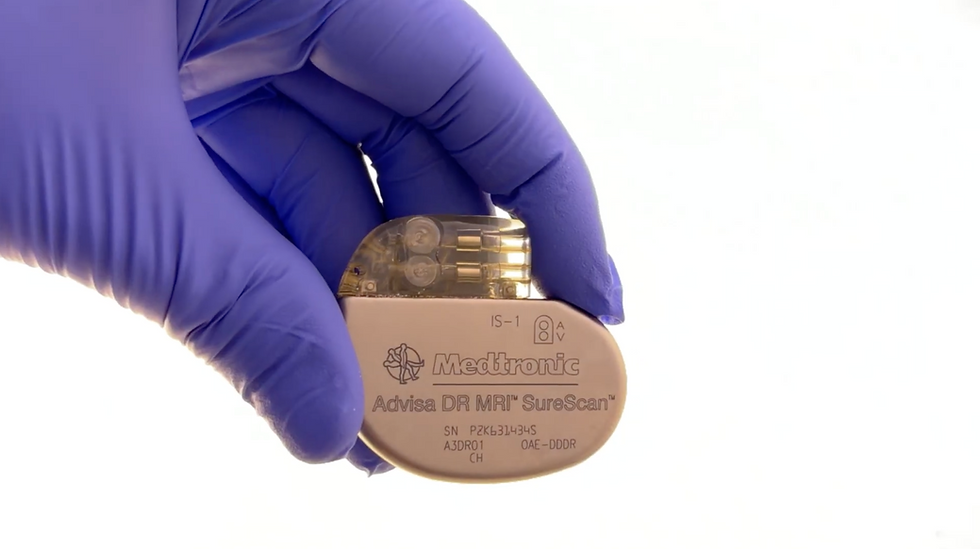
What Is a Pacemaker?
A pacemaker is a small electronic device designed to monitor and support the heart’s rhythm.
What does a pacemaker do?
A pacemaker continuously listens to the heart.
If the heart beats too slowly or misses beats, the pacemaker delivers a small electrical impulse to stimulate a normal heartbeat.
Pacemakers are commonly used to treat:
slow heart rhythms
heart block
conduction system disease
some forms of dizziness or fainting
certain heart rhythm problems
How Is a Pacemaker Implanted?
Is pacemaker implantation major surgery?
No. Pacemaker implantation is usually a minimally invasive procedure performed under sedation and local anaesthetic.
A small incision is made near the shoulder, and one or more pacing wires are guided into the heart through a vein using X-ray guidance.
These wires are connected to a small pulse generator placed under the skin.
Professor Malcolm Finlay explains that the procedure is generally very well tolerated and most patients recover quickly.
How Long Does It Take to Recover From a Pacemaker?
Recovery after pacemaker implantation is usually straightforward.
What happens after pacemaker surgery?
Patients are typically advised to:
keep the wound dry for about one week
avoid lifting the arm above the head for several weeks
attend a follow-up device check after approximately four weeks
Most patients return to normal daily activities relatively quickly.
What Are Leadless Pacemakers?
Modern pacing technology continues to evolve rapidly.
What is a leadless pacemaker?
Leadless pacemakers are very small devices implanted directly inside the heart without traditional pacing wires.
These devices can offer advantages for selected patients, including:
fewer leads
smaller incisions
reduced hardware under the skin
However, they are not suitable for everyone because their electronic functionality is more limited compared with traditional pacemakers.
What Is Cardiac Resynchronisation Therapy?
Some patients with heart failure may benefit from specialised pacemakers.
What does cardiac resynchronisation therapy do?
Cardiac resynchronisation therapy (CRT) uses additional pacing leads to coordinate contraction of both sides of the heart.
This can:
improve heart function
reduce heart failure symptoms
improve exercise capacity
enhance quality of life
CRT devices are particularly useful in selected patients with weakened heart muscle function.
What Is Conduction System Pacing?
One of the newest developments in heart rhythm treatment is conduction system pacing.
How does conduction system pacing work?
Instead of stimulating one small area of the heart, the pacing lead stimulates the heart’s own electrical conduction network.
This allows electrical activation of the heart to occur in a more natural and coordinated way.
This technique may offer benefits similar to cardiac resynchronization therapy in some patients.
What Is an ICD?
What is the difference between a pacemaker and an ICD?
An implanted cardioverter defibrillator (ICD) is similar to a pacemaker but has an additional life-saving function.
An ICD can:
detect dangerous fast heart rhythms
deliver an electrical shock if needed
help prevent sudden cardiac death
ICDs are often recommended for:
severe heart failure
dangerous ventricular arrhythmias
patients at high risk of cardiac arrest
Are There Restrictions With a Pacemaker?
Most patients can continue living a normal life after pacemaker implantation.
What can you not do with a pacemaker?
Modern pacemakers rarely restrict normal activities.
Most people can:
exercise
travel
use household electronics
undergo MRI scans in many cases
return to work
Some specialist occupations, such as commercial piloting or deep-sea diving, may require additional medical assessment.
Are Pacemakers Safe?
Pacemaker implantation is considered a very safe and routine cardiology procedure.
What are the risks of pacemaker implantation?
Potential risks include:
bruising
bleeding
lead displacement
lung irritation during implantation
infection
Professor Malcolm Finlay explains that most complications are manageable and rarely life-threatening.
Why Is Pacemaker Infection Important?
Although uncommon, infection is one of the most important long-term risks associated with pacemakers.
What happens if a pacemaker becomes infected?
Pacemaker infections may involve:
the device itself
the pacing leads
surrounding tissue
Treatment often requires:
removal of the entire system
hospital admission
antibiotic treatment
later reimplantation
Fortunately, these infections are rare.
Can You Live Normally With a Pacemaker?
Yes.
Can you exercise and travel with a pacemaker?
Most patients with pacemakers return to:
exercise
holidays
driving
social activities
independent living
After the initial recovery period, there are usually very few limitations.
Pacemakers are specifically designed to improve symptoms, quality of life, and long-term heart rhythm stability.
Frequently Asked Questions About Pacemakers
What does a pacemaker do?
A pacemaker helps regulate slow or abnormal heart rhythms by delivering small electrical impulses to the heart.
Is pacemaker surgery dangerous?
Pacemaker implantation is generally considered very safe and minimally invasive.
How long does a pacemaker last?
Most pacemaker batteries last many years before replacement is needed.
Can you have an MRI with a pacemaker?
Many modern pacemakers are MRI-compatible, although special programming adjustments may be required.
What is the recovery time after pacemaker implantation?
Most patients recover within several weeks and return to normal activities soon afterwards.
What is the difference between a pacemaker and an ICD?
An ICD can both pace the heart and deliver life-saving shocks for dangerous fast heart rhythms.
If you have been advised that you may need a pacemaker, ICD, or specialist heart rhythm assessment, Professor Malcolm Finlay offers expert private cardiology consultations and advanced heart rhythm treatment.


Comments